
EV Noise: Who Is Sound Really For?
While electric vehicles (EVs) offer an unprecedented opportunity to create calmer, healthier communities , the future of urban soundscapes is being decided right now behind closed doors.
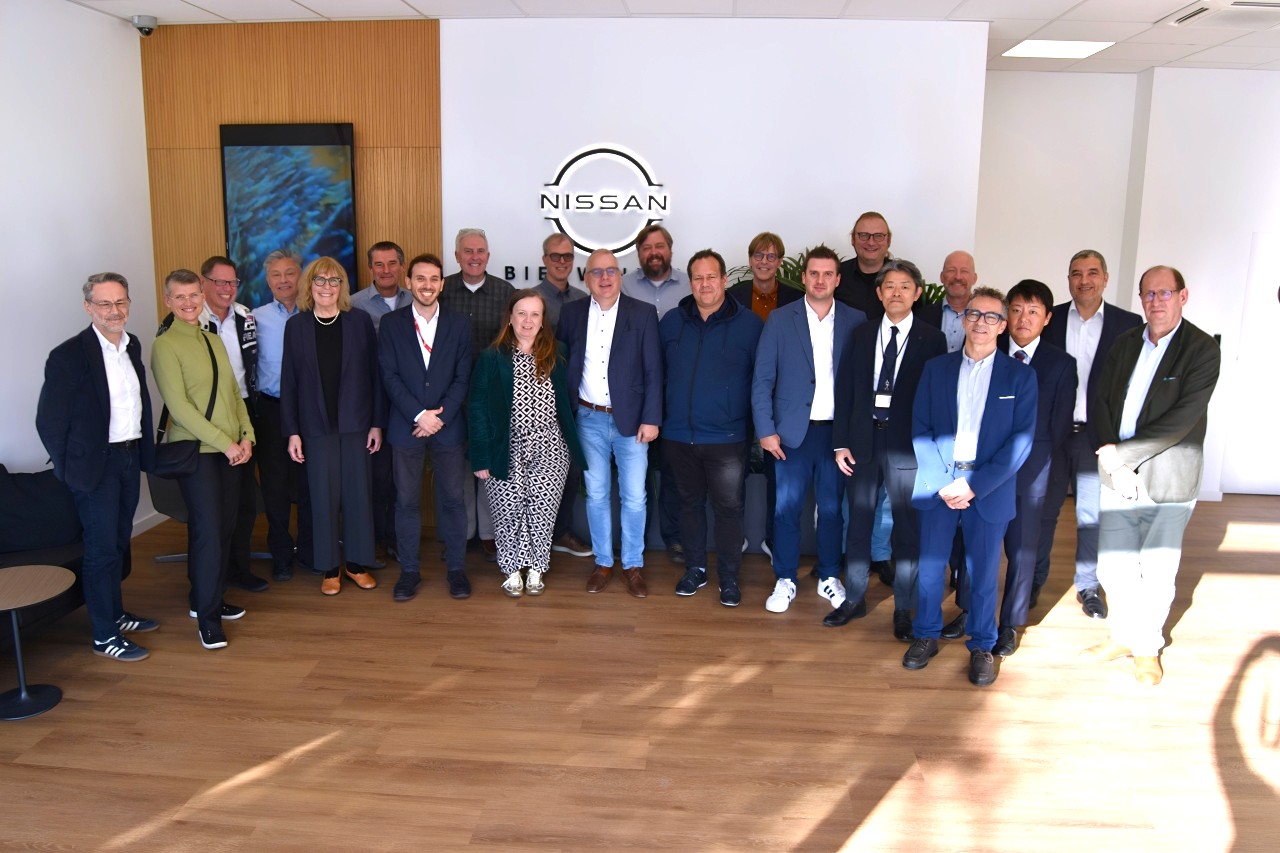
On October 20th, No More Noise teamed up with Quiet Communities Inc. to bring the community and public health perspective directly to the United Nations Task Force on Vehicle Sound meeting in Barcelona.
The Blind Spot: European Planning vs. North American Reality
A major takeaway from our working sessions was that current draft regulations are tailored almost entirely to a European context, which creates serious blind spots for North America.
Regulators discussed tapering vehicle sound to zero at 100 km/h, operating on the assumption that residential communities do not sit immediately adjacent to high-speed highways. In Canada and the US, (and even in Europe) however, thousands of people live in mid-rise and high-rise developments overlooking 110 km/h corridors like Toronto’sGardiner Expressway, Highway 400, or the QEW. If regulations stop measuring or capping vehicle emissions at 100 km/h, our roadside communities are left entirely unprotected. We need to challenge these geographic assumptions from the outset so international standards reflect the built environment around the world.
A Critical Canadian Ally: Transport Canada at the Table
Connecting with Marc-André LaRocque-Legros, Senior Regulatory Development Engineer for International Vehicle Standards at Transport Canada and Vice Chair within the GRBP working group, was a crucial development for our Canadian advocacy.
Because Canada is not an automatic signatory to every UN vehicle agreement, domestic protections come down to federal standards like Canada Motor Vehicle Safety Standard (CMVSS) 1106 for new and imported vehicles. Connecting directly with Marc-André allows us to bridge global regulatory debates with Transport Canada’s domestic rulemaking. By addressing potential loopholes before vehicles enter the Canadian market, we can help prevent excessive vehicle noise at the source rather than leaving municipalities and residents to address it solely at the local level.
Safety vs. Performance Noise: What Automakers Want
Regulators already require Acoustic Vehicle Alerting Systems (AVAS) at low speeds so blind, low-vision, and vulnerable pedestrians can detect approaching vehicles. That safety requirement is necessary. However, vehicle manufacturers are now pushing to add Enhanced Exterior Sound (EES) well beyond low-speed pedestrian safety thresholds.
Automakers argue that without synthetic engine rumble, high-performance EVs won't appeal to traditional buyers transitioning from gas engines. When we asked why artificial engine sound couldn’t simply be piped into the vehicle cabin through interior speakers, the answer was candid: high-performance buyers (the word used was “alpha males”) want to be seen, therefore need to be heard by others.
While that subset of drivers is small, their impact is disproportionate: a single vehicle producing loud, intrusive exterior noise impacts thousands of residents along an urban corridor.
Closing the Gaps Before They Reach Our Streets
Our presence in Barcelona focused on holding the line for public health and sensory accessibility:
Cap Speeds and Decibels: Exterior sounds should decline as vehicle speed increases, tapering to zero additional sound at speeds over 100km/hr once tire and road noise take over.
Protect the Source: Strikingly, auto manufacturers admitted they dislike aftermarket exhaust tinkering because it harms their brand reputation. Finding a way to stop vehicle modifications and minimizing excess noise at the factory level, ensures new and existing vehicles don't add to existing street noise and maintaining the audio integrity of the manufacturer.
Standardize Safety Sounds: AVAS alerting sounds should be uniform and recognizable across all makes, like brake lights or turn signals, not an open canvas for synthetic marketing noise or custom sounds.
Transitioning to electric mobility shouldn't mean replacing tailpipe exhaust with synthetic loudspeaker noise, effectively missing an opportunity of a lifetime to minimize the most ubiquitous noise source on our planet.
A Partnership Built on Shared Purpose
Beyond the technical debates, it was wonderful to spend those days working alongside Dr. Jamie Banks, founder of Quiet Communities. We bonded quickly, discovering just how naturally our styles and values align. Navigating unexpected logistical hurdles across Barcelona together, from transit scrambles to last-minute meeting pivots, was met with effortless teamwork, laughter, and ease. Having that kind of personal trust and camaraderie makes the heavy lifting of international advocacy not just effective, but deeply rewarding.
Help Us Protect Healthy, Liveable Communities
Advocating at the UN and working with national regulators helps ensure that community and public health perspectives are represented at the table where vehicle standards are developed.
Support our work and donate today to help us advocate for calm, healthy streets!